
Sierra Nevada Eye Center — Ocular Surface Disease
Comfort Starts
at the Surface.
The ocular surface, made up of the cornea and conjunctiva, is protected only by a thin tear film. Northern Nevada's dry climate makes surface disease especially common here.
- Dedicated treatment for dry eye, pterygium, and blepharitis
- Care tailored to our high-desert climate
- Conservative and surgical options available
Is This Right for You?
Am I a Candidate for Ocular Surface Disease?
Dry, gritty, or irritated eyes are easy to write off, but they usually have a cause worth finding. If any of these sound like you, our doctors can pinpoint what's behind it.
Why it matters here: dry eye is especially common in our region due to Nevada’s low humidity and wind exposure.
Don’t ignore ongoing irritation: untreated ocular surface disease can lead to erosion, infection, or scarring of the eye’s surface over time.
Understanding the Condition
What Is Ocular Surface Disease?
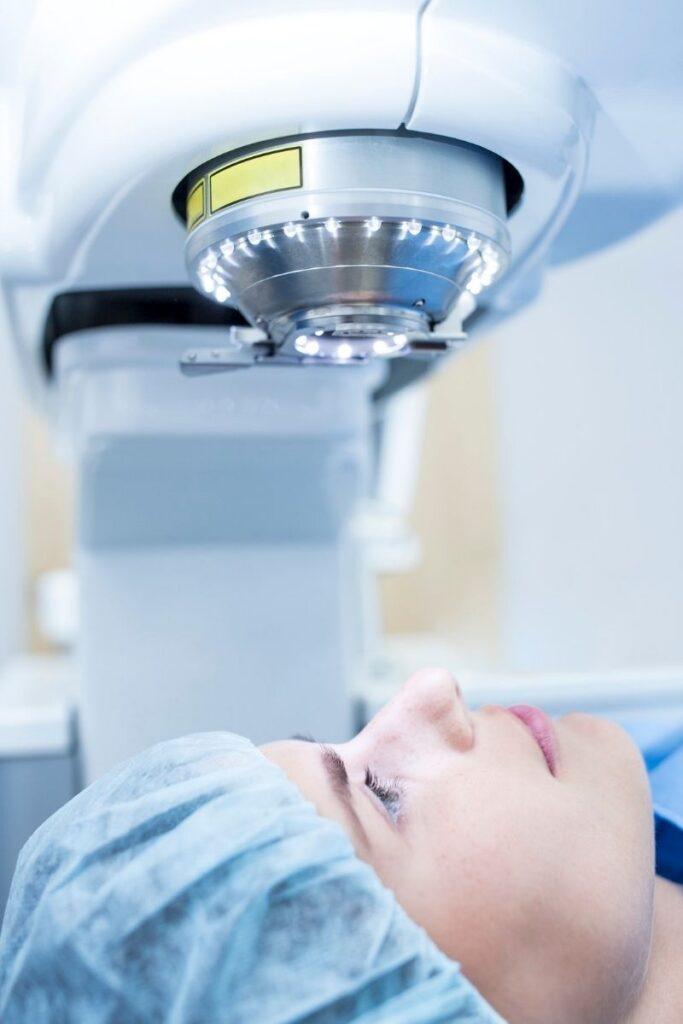
The ocular surface includes two major territories: the cornea and the conjunctiva, framed by the upper and lower eyelids. Unlike the rest of the body, the eye has no skin to protect it. Instead, a thin layer of tear film covers the surface, and keeping that tear film healthy is essential for clear vision, comfort, and protection against infection.
When the ocular surface is compromised, patients can experience vision loss, discomfort, infection, erosion, or even scarring of the eye’s surface over time. Dry eye syndrome is the most common ocular surface disease we see, and it’s especially prevalent in our region because of Nevada’s low humidity and frequent wind exposure. Pterygium, a growth on the conjunctiva linked to years of sun and wind exposure, is another condition we treat regularly, along with blepharitis, an inflammation of the eyelid margins.
Because these conditions can have overlapping symptoms, like redness, burning, and tearing, an accurate diagnosis matters. At Sierra Nevada Eye Center, we use tools like TearLab testing alongside a detailed surface exam to determine the specific cause and direct treatment accordingly.
Treatment ranges from simple lifestyle changes and over-the-counter drops to prescription medication, in-office procedures like punctal occlusion, and, when necessary, surgical treatment. We encourage anyone with ongoing eye surface discomfort to schedule a consultation so we can determine the right path for your specific condition.
2
Most Common Conditions We Treat: Dry Eye & Pterygium
<10 min
Typical TearLab Testing Time
4–6 wks
Typical Time To Symptom Improvement
Board
Certified Ophthalmologists & Optometrists
Patient Reviews
Conditions We Treat
The Two Most Common Ocular Surface Conditions
Dry eye and pterygium are the ocular surface conditions we see most often in Northern Nevada. Each has a different cause and treatment path.
Dry Eye Syndrome
Caused by an unstable or insufficient tear film
- Burning, stinging, or a gritty sensation
- Often worsened by Nevada's dry, windy climate
- Diagnosed with TearLab testing
- Treated with artificial tears, prescription drops, or punctal plugs
Most Common
Pterygium & Surface Growths
A growth on the conjunctiva linked to UV exposure
- Often related to years of sun and wind exposure
- May cause redness, irritation, or astigmatism as it grows
- Managed conservatively with drops and sunglasses
- Surgical excision available when needed
Sun & Wind Related
Not sure which condition matches your symptoms? A quick surface exam can usually tell the difference. Learn more about dry eye treatment, pterygium surgery, and blepharitis, or take our dry eye questionnaire.
Step by Step
Your Ocular Surface Disease Journey
From evaluation to a treatment plan built around your specific condition.
1
Evaluation
- Symptom review and surface exam
- TearLab or other diagnostic testing as needed
- Identification of dry eye, pterygium, or another cause
2
Initial Treatment
- Artificial tears or lifestyle changes recommended first
- Prescription drops added if needed
- Sun and wind protection discussed
3
Escalation If Needed
- Punctal plugs for persistent dry eye
- Pterygium surgery for growths affecting vision or comfort
- Reassessment if symptoms don't improve
4
Long-Term Maintenance
- Routine rechecks scheduled
- Treatment adjusted seasonally as needed
- Preventive habits reinforced at each visit
What to Expect
Expected Ocular Surface Disease Outcomes & Recovery
Ocular surface disease is manageable for the vast majority of patients with the right treatment plan.
What Patients Can Expect in the First 30 Days
- Symptom improvement often begins within a few weeks of starting treatment
- Some conditions require ongoing maintenance rather than a one-time fix
- Seasonal changes can affect symptom severity
- Surgical treatment, when needed, is typically an outpatient procedure
- Follow-up visits track progress and adjust the plan as needed
- Preventive habits, like sunglasses and hydration, reduce recurrence
Informed Care
Safety & Risk Considerations
Most ocular surface disease is managed conservatively, with surgery reserved for more advanced or unresponsive cases.
Safety Profile
- Most treatment is non-invasive, using drops, plugs, or lifestyle changes
- TearLab testing is quick and painless
- Surgical treatment, when needed, is performed as an outpatient procedure
- Conditions are generally well-controlled with appropriate treatment
Possible Side Effects
- Temporary Irritation from New Drops - some prescription drops cause mild burning when first started.
- Recurrence - certain conditions, like pterygium, can return and may need ongoing monitoring.
How We Minimize Risk
Accurate Diagnosis First
TearLab and other targeted testing ensure treatment addresses the actual cause of your symptoms.
Conservative Treatment Path
We start with the least invasive option likely to bring relief before considering surgery.
Experienced Surgical Team
When surgery is needed, our doctors bring extensive experience in ocular surface procedures.
Why Sierra Nevada Eye Center
Why Patients Choose Us for Ocular Surface Disease
Surface disease is common here, and treating it well takes both the right diagnostics and local climate expertise.
Regional Expertise
Our team understands how Northern Nevada's dry, high-desert climate contributes to ocular surface disease.
Precise Diagnostics
TearLab testing and detailed surface exams help pinpoint the true cause of your symptoms.
A Full Range of Treatment
From artificial tears to surgical excision, we offer the full spectrum of ocular surface disease care.
Our Team
Meet Our Ocular Surface Disease Team
Our doctors diagnose and treat dry eye, pterygium, blepharitis, and other conditions affecting the eye's surface.



Find Us
Ocular Surface Disease in Carson City & Reno
Ocular surface disease evaluation and treatment available in Carson City and Reno.
Coverage & Financing
Cost & Insurance
Coverage for ocular surface disease depends on the diagnosis and treatment path.
Covered Diagnostic Testing
Office visits and testing for dry eye and other surface conditions are generally covered by medical insurance.
- Surface exam and diagnostic testing
- Prescription treatment when medically indicated
Treatment Costs Vary by Severity
Over-the-counter products, like artificial tears, are typically not covered by insurance, while prescription treatments and surgery often are.
- Over-the-counter products are typically self-pay
- Prescription drops and surgical treatment often covered
Flexible financing available. We work with CareCredit to offer low- and no-interest payment plans for care not covered by insurance. Ask about your options at your visit.
locationsCommon Questions
Frequently Asked Questions
Common questions about ocular surface disease.
What is the ocular surface?
It’s the cornea and conjunctiva, the front-facing tissues of the eye, protected by a thin layer of tear film rather than skin. Keeping that tear film healthy is essential for comfort and clear vision.
Why is dry eye so common in Nevada?
Our region’s low humidity and frequent wind exposure make the tear film evaporate more quickly, which is why dry eye symptoms are especially common here.
Is a pterygium dangerous?
A pterygium itself is not cancerous, but if it continues to grow, it can cause chronic irritation, astigmatism, and reduced vision, which is why monitoring matters.
Can ocular surface disease be prevented?
Wraparound sunglasses, staying hydrated, and using preservative-free artificial tears can help reduce symptoms and slow progression for many patients.
How is ocular surface disease diagnosed?
We use a combination of a slit-lamp exam and specialized testing, such as TearLab, to determine the specific cause of your symptoms and the right treatment.
When is surgery necessary?
Surgery is generally reserved for conditions like a pterygium that continues to grow, causes chronic inflammation unresponsive to drops, or begins affecting vision.
What is blepharitis?
Blepharitis is an inflammation of the eyelid margins that can cause redness, burning, crusting along the lashes, and irritation that overlaps with dry eye. Treatment usually starts with eyelid hygiene, such as warm compresses and lid scrubs. Learn more on our blepharitis page.
Ready When You Are
Schedule Your Free Consultation
Most patients see results within 24 hours. Consultations are available at all four locations, online scheduling takes less than two minutes.